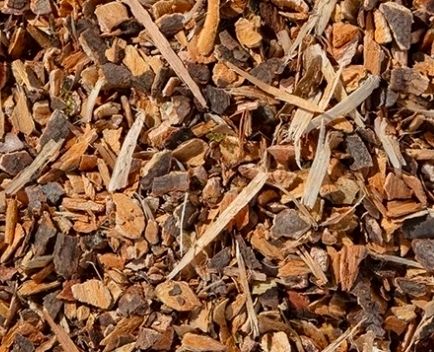
Crampbark
$12.95
4 payments of $3.24 with
Options
In stock
Save this product for later
Customer reviews
Reviews only from verified customers
No reviews yet. You can buy this product and be the first to leave a review.
Estimated delivery time
Shipping: 7–26 days
Pickup: today, 09:20 AM–03:30 PM
Crampbark
Product Details
Brand: Island Roots Botanicals
Weight: 0.25 lbs
🌿 Cramp Bark (Viburnum opulus)
Also known as: Highbush Cranberry • Snowball Tree Bark • Guelder Rose
Family: Adoxaceae (formerly Caprifoliaceae)
Origin: Native to North America and Europe
Parts used: Bark of the branches
Primary use: Internal & External
✨ Description
Strong yet tender in its action, Cramp Bark has been cherished by herbalists for centuries as a natural muscle relaxant and uterine tonic. Its name says it all — this herb is the body’s ally against tension, pain, and spasms of all kinds.
Traditionally used by Native American and European herbalists, Cramp Bark gently eases menstrual cramps, back pain, muscle tightness, and nervous tension without sedating the system. It brings calm where there is constriction — relaxing the body, soothing the nerves, and encouraging balanced flow.
With its mild, earthy aroma and warming nature, Cramp Bark is a staple in formulas for women’s wellness, joint comfort, and stress relief alike.
🍵 Dried Herb Uses
As an antispasmodic and muscle-relaxing herbal tea:
- Menstrual & Uterine Health: Relieves cramps, PMS, and uterine tension.
- Muscle & Back Relief: Eases tension and spasms in muscles and lower back.
- Nervous System Support: Promotes calm and relaxation during stress.
- Digestive Comfort: Relieves intestinal cramping and tension.
- Joint & Circulatory Support: Helps ease tension around the shoulders, hips, and neck.
Directions (Internal Use):
Simmer 1–2 teaspoons of dried Cramp Bark in 8 oz of water for 10–15 minutes.
Drink 1–3 cups daily as needed for comfort and relaxation.
Pairs beautifully with Black Cohosh, Motherwort, Raspberry Leaf, or Valerian Root.
💧 External Uses
- Use in warm compresses or baths to relax tight muscles and soothe discomfort.
- Infuse in carrier oil (like olive or castor) to make a gentle massage oil for cramps or sore muscles.
🔮 Metaphysical & Energetic Uses
- Release & Flow: Helps the body and spirit let go of tension and resistance.
- Sacred Feminine Balance: Associated with the womb, creativity, and cycles of renewal.
- Comfort & Ease: Calms overexerted energy and promotes peaceful rest.
You May Also Like



Powered by Lightspeed
Display prices in:USD