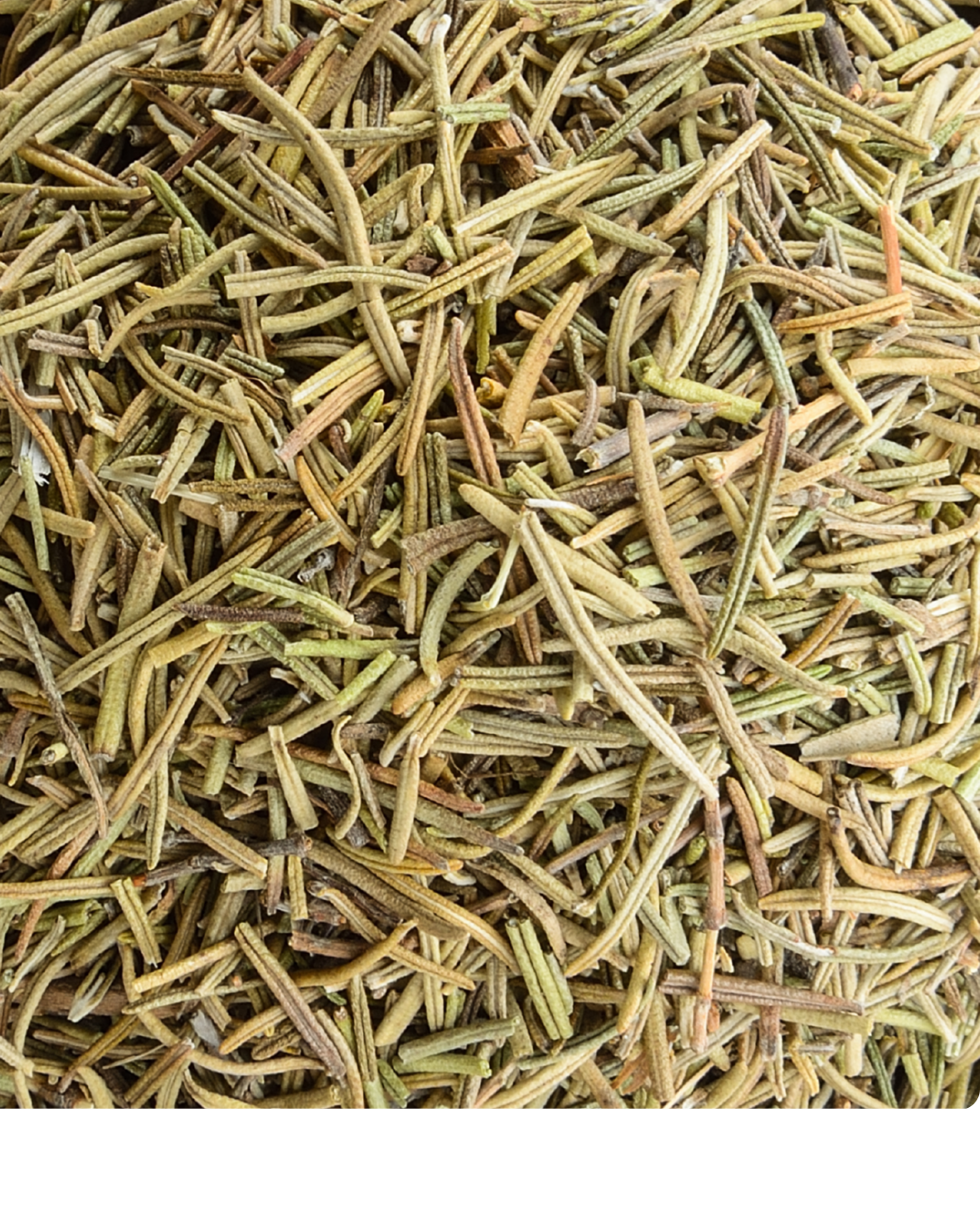
Thyme
$5.95
4 payments of $1.49 with
Options
In stock
Save this product for later
Customer reviews
Reviews only from verified customers
No reviews yet. You can buy this product and be the first to leave a review.
Estimated delivery time
Shipping: 4–26 days
Pickup: today, 03:00 AM–07:30 PM
Thyme
Product Details
Weight: 0.10 lbs
🌿 Thyme Leaf – Respiratory, Immune & Digestive Support
Aromatic Protection. Clear Breathing. Timeless Herbal Tradition.
Botanical Name: Thymus vulgaris
Common Names: Common Thyme • Garden Thyme
Plant Family: Lamiaceae (Mint Family)
Origin: Egypt / Morocco
Part Used: Leaves & Flowering Tops
Primary Uses: Herbal Tea • Culinary Seasoning • Traditional Herbal Remedies
✨ Description
Small leaves, powerful tradition.
Thyme is one of the most treasured aromatic herbs in traditional medicine, celebrated for its respiratory benefits, immune-supporting properties, digestive comfort, and unmistakable fragrance.
With a beautiful balance of savory and sweet, earthy and minty, woodsy and floral, Thyme brings warmth and character to everything it touches. Its rich aroma comes from naturally occurring essential oil compounds, particularly thymol and carvacrol, which have attracted scientific interest for their antimicrobial, antioxidant, and anti-inflammatory properties.
For centuries, Thyme has been used to support the lungs, soothe occasional coughs, encourage healthy digestion, and strengthen traditional wellness preparations. It remains a favorite ingredient in herbal teas, respiratory blends, warming tonics, and kitchens around the world.
At Island Roots Botanicals, we appreciate herbs that can serve more than one purpose. Thyme belongs just as comfortably in your medicine cabinet as it does in your spice cabinet.
Whether steeped into a comforting tea, added to a homemade herbal syrup, or sprinkled over a nourishing meal, Thyme brings together the best of culinary and medicinal herbal traditions.
🌿 Traditional Benefits & Wellness Uses
🌬️ Respiratory & Lung Support
Thyme is particularly valued for its traditional use in respiratory wellness.
Its aromatic constituents and expectorant properties make it a popular herb for supporting comfortable breathing and helping the body manage occasional mucus buildup.
Traditionally used to:
- Help loosen and encourage the movement of mucus.
- Soothe occasional coughs and throat irritation.
- Support bronchial comfort.
- Promote easier breathing during seasonal respiratory discomfort.
- Complement traditional cold-season herbal formulas.
Thyme has a history of use for productive coughs associated with colds, and certain thyme-containing preparations have been evaluated in human respiratory studies.
🛡️ Immune & Seasonal Wellness
Thyme has long been appreciated during cold and flu season.
Its naturally occurring thymol, carvacrol, rosmarinic acid, and other plant compounds contribute to its antioxidant activity and laboratory-observed antimicrobial properties.
These characteristics help explain its longstanding place in traditional immune-supporting teas and seasonal wellness blends.
A warm cup of Thyme tea is a wonderful addition to a cold-weather herbal routine.
🍵 Digestive Comfort
As an aromatic member of the mint family, Thyme has traditionally been used to encourage comfortable digestion.
Its warming, carminative qualities make it especially useful in herbal preparations for:
- Occasional gas and bloating.
- Digestive heaviness after meals.
- Mild intestinal discomfort.
- Supporting normal digestive function.
Thyme pairs beautifully with Ginger, Peppermint, Fennel, and other traditional digestive herbs.
🌱 Antioxidant & Inflammatory Support
Thyme contains several beneficial plant compounds, including flavonoids, phenolic acids, thymol, and carvacrol.
These constituents have demonstrated antioxidant and anti-inflammatory activity in experimental research, making Thyme an interesting botanical for general wellness and healthy inflammatory balance.
🦷 Mouth & Throat Care
Thyme has a long history in traditional mouth rinses and gargles.
A cooled, well-strained Thyme infusion can be used as a simple herbal gargle for temporary throat comfort and freshening the mouth.
Thymol is also a familiar ingredient in some commercially formulated oral-care products.
🌍 Historical & Cultural Significance
Thyme's history extends far beyond the kitchen.
Ancient Egypt
Thyme and related aromatic plants were valued in ancient Egyptian fragrance and preservation traditions. Thyme is frequently associated with historical embalming practices and aromatic preparations.
Ancient Greece & Rome
The Greeks associated Thyme with courage, strength, and purification. Its fragrant leaves were burned as incense, added to baths, and incorporated into traditional preparations.
The Romans helped spread Thyme throughout Europe, where it became a valued culinary and medicinal herb.
European Herbal Traditions
Throughout medieval Europe, Thyme became associated with protection, courage, respiratory comfort, and household wellness. It was grown in herb gardens, used in warming preparations, and incorporated into traditional remedies for coughs and digestion.
🌴 Caribbean Traditions
Thyme is an essential part of Caribbean cooking, particularly in Jamaican, Trinidadian, Haitian, and other island cuisines.
Its unmistakable fragrance brings depth to soups, stews, rice dishes, beans, marinades, and traditional seasoning blends.
In Caribbean households, Thyme also appears in bush teas and warming home remedies, especially when combined with Ginger, Garlic, or other aromatic herbs during seasonal discomfort.
Thyme represents something deeply familiar in Caribbean herbalism: the idea that the same plants used to season our food can also support our wellness.
🍵 How to Use
Thyme Herbal Tea
Add 1–2 teaspoons of dried Thyme to 8 oz of hot water.
Cover and steep for 10–15 minutes, then strain.
Enjoy 1–3 cups daily as desired.
For a traditional cold-season tea, add fresh Ginger and a little honey after steeping.
Herbal Gargle
Prepare a Thyme infusion, allow it to cool until comfortably warm, and strain thoroughly.
Gargle as needed for temporary throat comfort. Do not swallow the used gargle.
Culinary Uses
Thyme is delicious in:
- Caribbean soups and stews.
- Rice, peas, and beans.
- Roasted vegetables and potatoes.
- Poultry, fish, and savory marinades.
- Homemade broths and seasoning blends.
- Herbal vinegars and infused oils.
Its concentrated aroma means a little goes a long way.
🌿 Recommended Herbal Pairings
Thyme + Mullein Leaf
A traditional combination for lung comfort and mucus support.
Thyme + Ginger Root
A warming blend for respiratory wellness, digestion, and seasonal comfort.
Thyme + Elderberry
A flavorful cold-season combination for traditional immune support.
Thyme + Peppermint
For refreshing respiratory and digestive comfort.
Thyme + Horehound
A classic pairing in traditional cough and throat preparations.
Thyme + Garlic
A familiar culinary combination with a long history in traditional household wellness.
⚖️ Energetics & Taste
Taste: Aromatic • Pungent • Slightly Bitter • Savory
Energetics: Warming • Drying • Stimulating
Traditional Herbal Actions: Expectorant • Carminative • Aromatic • Antispasmodic
Thyme is especially valued in herbal traditions where warmth, movement, and the clearing of excess mucus are desired.
🔮 Metaphysical & Energetic Uses
Throughout history, Thyme has been associated with courage, purification, protection, and strength.
Traditional and contemporary spiritual uses include:
- Courage & Confidence: Associated with bravery and personal strength.
- Protection: Incorporated into protective herbal blends and household rituals.
- Purification: Traditionally burned or used in aromatic preparations.
- Mental Clarity: Associated with clearing stagnant energy and encouraging focus.
- Restoration: Used symbolically to invite renewed strength and vitality.
Affirmation:
“I breathe freely, stand confidently, and welcome strength into my life.”
⚠️ Precautions
Thyme is widely enjoyed as a culinary herb and traditional tea. Avoid medicinal amounts during pregnancy without professional guidance. Those allergic to mint-family plants should use caution. Thyme essential oil is highly concentrated and should not be used interchangeably with the dried herb.
🌿 A Note from the Herbalist
Thyme is one of my favorite examples of how closely food and herbal medicine are connected.
In Caribbean households, we don't always separate the herbs in our kitchen from the herbs in our medicine cabinet. Thyme is a perfect example. We use it to build flavor in our food, but it also has a longstanding reputation for supporting the lungs, digestion, and seasonal wellness.
I especially appreciate Thyme in respiratory formulas. Its warming, aromatic nature makes it a beautiful complement to herbs like Mullein, Ginger, and Horehound.
And unlike some medicinal herbs that require an acquired taste, Thyme is already familiar to so many people.
Sometimes the most useful herbs are the ones we've been cooking with our entire lives.
thyme leaf, Thymus vulgaris, dried thyme, thyme tea, thyme leaf benefits, thyme for cough, thyme for respiratory support, thyme for mucus, thyme for immune support, thyme for digestion, herbal thyme tea, thyme for sore throat, Caribbean thyme, Jamaican thyme, thyme bush tea, Egyptian thyme, Moroccan thyme, medicinal thyme, culinary thyme, aromatic herbs, Island Roots Botanicals
Powered by Lightspeed
Display prices in:USD