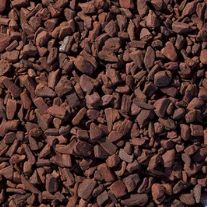
Cinnamon Granules
$3.95
4 payments of $0.99 with
Options
In stock
Save this product for later
Customer reviews
Reviews only from verified customers
No reviews yet. You can buy this product and be the first to leave a review.
Estimated delivery time
Shipping: 6–25 days
Pickup: today, 04:50 AM–03:30 PM
Cinnamon Granules
Product Details
Weight: 0.12 lbs
🌿 Indonesian Cinnamon (Korintje Cinnamon)
Botanical Name: Cinnamomum burmannii
Also Known As: Indonesian Cinnamon • Korintje Cinnamon • Indonesian Cassia
Origin: Indonesia
Plant Family: Lauraceae
Part Used: Inner Bark
Flavor Profile: Sweet • Warm • Woody • Mildly Spicy • Aromatic
✨ Description
Sweet, comforting, and wonderfully aromatic, Indonesian Cinnamon brings the familiar warmth of cinnamon to traditional herbal preparations and everyday cooking.
Native to Southeast Asia, Cinnamomum burmannii is one of the most widely used varieties of cinnamon in North America. Often called Korintje Cinnamon, this Indonesian spice is loved for its smooth sweetness, rich fragrance, and balanced warmth.
Compared with the bold intensity of Vietnamese Cinnamon, Indonesian Cinnamon typically offers a softer, more rounded flavor, making it especially versatile for teas, porridges, desserts, herbal blends, and savory dishes.
But cinnamon is more than a kitchen staple. For centuries, its fragrant bark has been valued in traditional wellness practices for digestion, warmth, and general vitality.
Whether you're preparing a comforting cup of cinnamon tea or adding a little spice to your favorite herbal formula, Indonesian Cinnamon brings together flavor, tradition, and botanical goodness.
🌿 Traditional Benefits & Wellness Uses
Digestive Comfort
Traditionally used in warming preparations to support digestion and ease occasional gas and bloating.
Blood Sugar & Metabolic Wellness
Cinnamon has been studied for its potential influence on glucose metabolism and insulin sensitivity. Some studies have reported modest improvements in blood sugar measurements, but findings are inconsistent, and cinnamon is not a substitute for diabetes treatment.
Antioxidant Support
Naturally contains polyphenols and aromatic compounds that demonstrate antioxidant activity in laboratory research.
Circulation & Warming Support
Traditionally considered a warming spice, cinnamon is frequently incorporated into herbal formulas intended to promote comfort during cold weather.
Everyday Wellness
A flavorful addition to a balanced diet, cinnamon makes herbal teas and nourishing foods more enjoyable without requiring additional sugar.
🌴 Caribbean & Cultural Significance
Across the Caribbean, cinnamon has earned its place in both the kitchen and the herbal cupboard.
From Jamaican-style porridges and spiced teas to Caribbean cocoa, holiday drinks, and homemade tonics, cinnamon adds a recognizable warmth that connects food, family, and tradition.
While different cinnamon species are used throughout the region, Indonesian Cinnamon offers the familiar sweet-spicy flavor many people associate with cinnamon.
Its versatility makes it a beautiful addition to traditional bush teas, particularly when blended with ginger, cloves, nutmeg, or other warming botanicals.
🍵 How to Use
Cinnamon Tea: Add a small piece of cinnamon bark, or a modest pinch of ground cinnamon, to hot water. Steep for 10–15 minutes and strain if needed.
Culinary Uses: Add to oatmeal, porridges, smoothies, coffee, cocoa, baked goods, soups, and savory recipes.
Herbal Blending: Pair with Ginger, Cloves, Orange Peel, or Cardamom for warming and aromatic preparations.
🌿 Recommended Herbal Pairings
- Ginger Root: For warming digestive comfort.
- Cloves: For aromatic, antioxidant-rich spice blends.
- Orange Peel: For a bright, citrusy balance.
- Fenugreek: Traditionally paired in metabolic wellness routines.
- Turmeric: For a warming botanical blend.
⚖️ Energetics & Taste
Taste: Sweet, pungent, aromatic
Energetics: Warming, drying
Traditional Actions: Aromatic, carminative, warming digestive tonic
🔮 Metaphysical & Energetic Uses
In various contemporary spiritual traditions, cinnamon is associated with prosperity, protection, attraction, and abundance.
Its warming fragrance is often incorporated into incense blends, spiritual baths, and household rituals intended to welcome positive energy.
These are cultural and spiritual associations rather than scientifically established effects.
⚠️ Warnings & Considerations
Indonesian Cinnamon is a cassia-type cinnamon, which naturally contains coumarin.
Unlike Ceylon Cinnamon (Cinnamomum verum), cassia varieties can contain substantial amounts of coumarin, a compound that may affect liver health when consumed regularly in excessive quantities.
- Best enjoyed in ordinary culinary amounts.
- Avoid prolonged, high-dose medicinal use without professional guidance.
- Consult a healthcare professional if taking diabetes medication or managing liver disease.
- Culinary use during pregnancy is generally different from concentrated medicinal dosing.
🌿 A Note from the Herbalist
Cinnamon is one of those botanicals that reminds us herbalism doesn't always begin with a supplement bottle. Sometimes it begins in the kitchen.
I appreciate Indonesian Cinnamon for its familiar sweetness and versatility. It blends beautifully with other herbs without overpowering them, making it an excellent choice for traditional teas and everyday recipes.
One thing I always encourage people to understand is that not all cinnamon varieties are interchangeable. Indonesian, Vietnamese, and Ceylon Cinnamon each have their own flavor profiles and chemical differences.
For cooking and occasional tea, Indonesian Cinnamon is a wonderful choice. For someone interested in taking cinnamon daily in larger quantities, I would generally lean toward Ceylon Cinnamon because of its lower coumarin content.
Good herbalism is about knowing your plants, not just their common names.
Indonesian cinnamon, Korintje cinnamon, Cinnamomum burmannii, Indonesian cassia, cinnamon bark, cinnamon tea, Indonesian cinnamon benefits, cinnamon for digestion, cinnamon for blood sugar, Caribbean cinnamon tea, warming herbs, traditional spices, Island Roots Botanicals
Powered by Lightspeed
Display prices in:USD